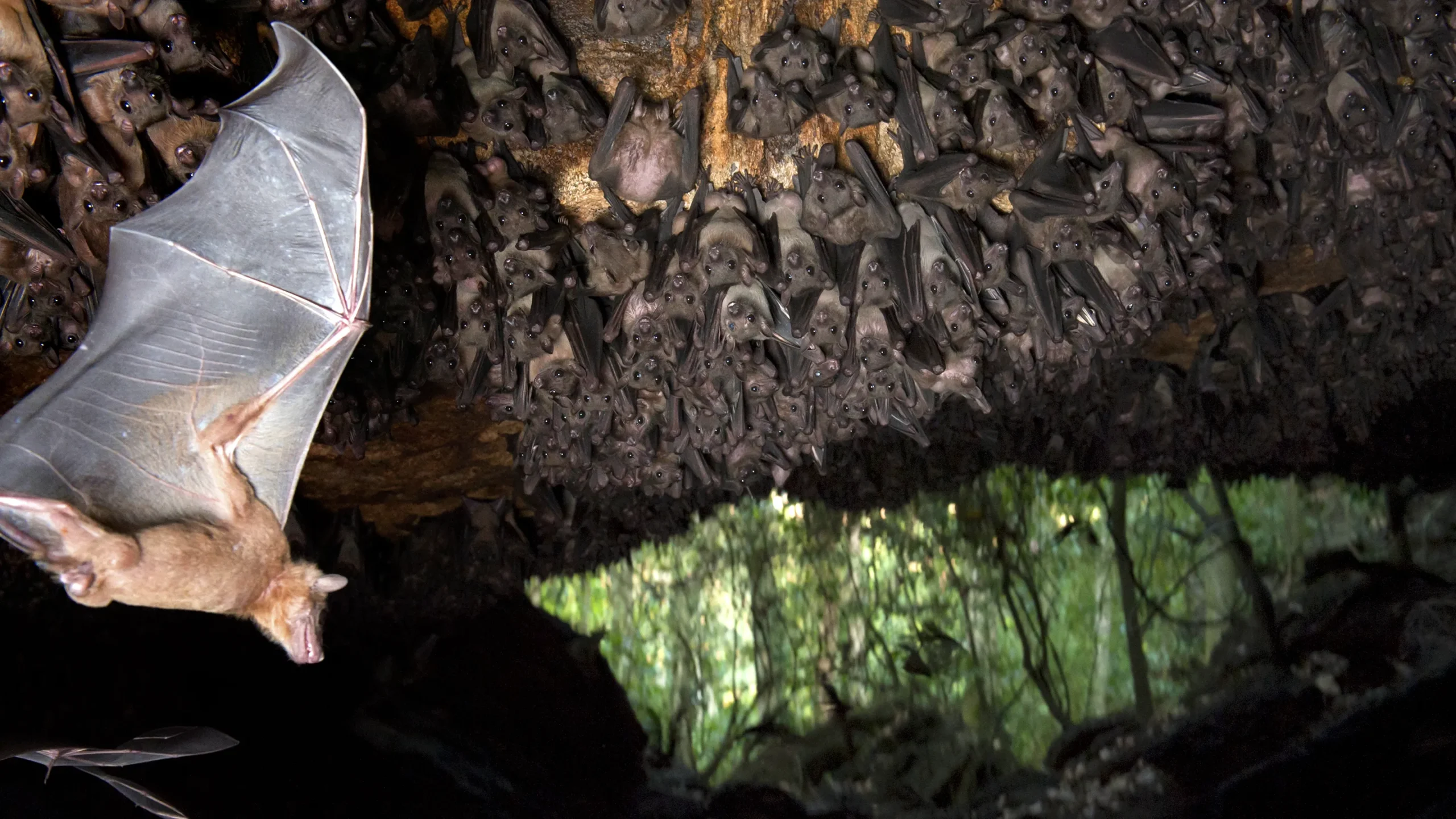
Hall of Bats
This initial section serves as the starting point for the boat journey, known for its vaulted ceiling and historical remnants of cave inhabitants.
Observe the upper rock crevices to spot natural roosting patterns.
The Caves of San José shelter Europe's longest navigable underground river, stretching 2,750 meters beneath the mountains of Castellón province. Located 40 kilometers north of Valencia in La Vall d'Uixó, this geological formation combines a boat journey through subterranean chambers with a walking section through fossil-rich galleries. This guide covers the logistics, timing, and context you need to visit the Coves de Sant Josep.
Quick answer
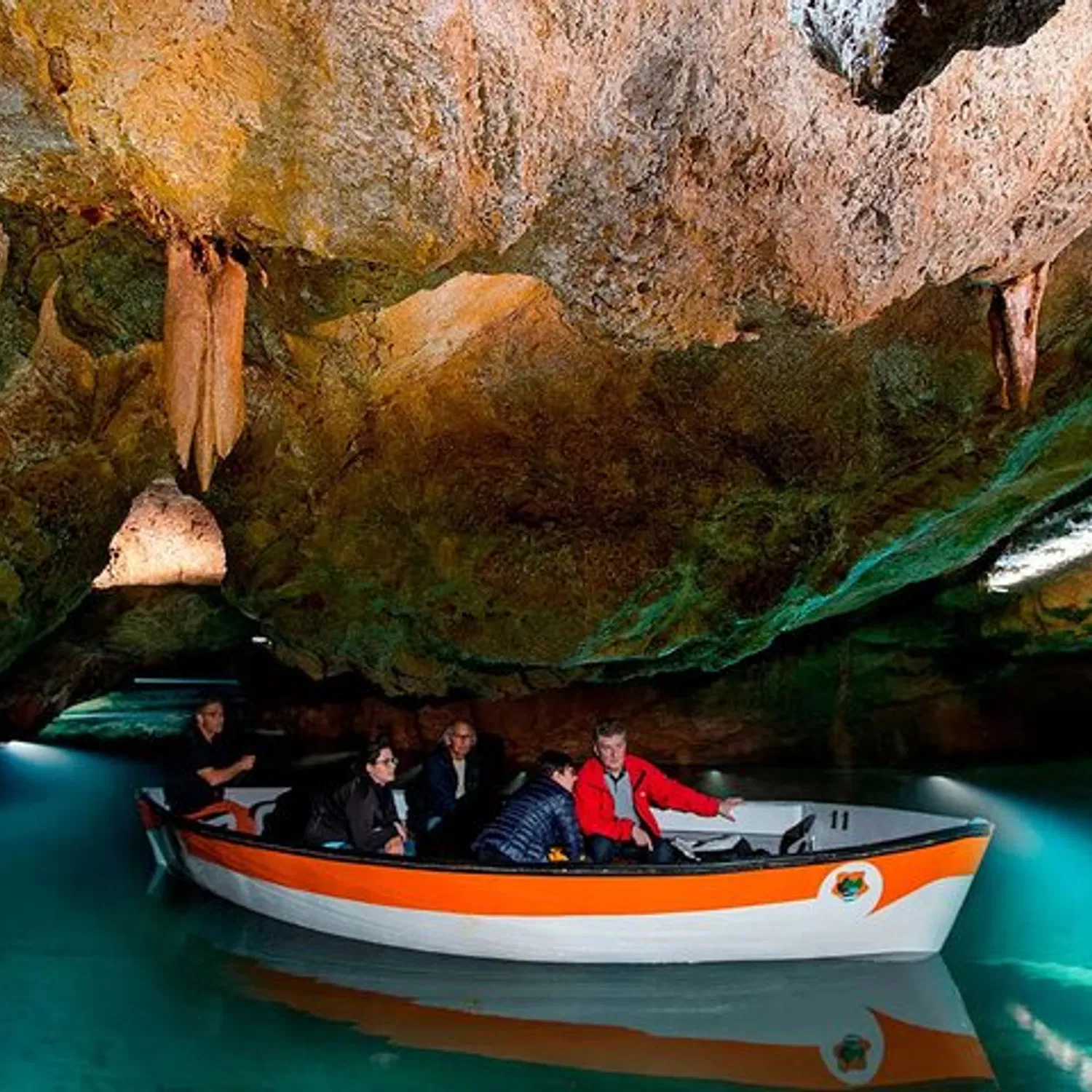
The caves of san jose valencia spain are open daily from 10:00 to 18:00, with standard adult admission at 18 EUR for the guided boat tour and walking section. The experience lasts approximately 40 minutes and covers 800 meters of the underground river by boat, followed by a dry walking gallery. Visitor capacity is limited daily, so arriving between 10:00 and 16:00 secures better availability and avoids the midday heat outside the cave entrance.
The caves of san jose valencia spain contain the longest navigable underground river in Europe, a fact that remained unknown until speleologists mapped the full extent of the subterranean waterway in the 1950s. The river flows through chambers carved over millions of years by water dissolving the Jurassic limestone of the Serra d'Espadà mountain range. Human presence in the cave dates to the Upper Paleolithic, evidenced by wall paintings discovered near the entrance, though the main galleries were not opened to visitors until 1957. The visit combines two distinct environments. The boat section navigates 800 meters of the underground river, passing through chambers named for their geological features—the Bats Hall, the Cathedral, and the Lake of Diana. Electric boats replaced the original rowboats in the 1980s, allowing guides to focus narration on the stalactite formations and the cave's hydrology rather than rowing. Water temperature holds steady at 20°C year-round, while air temperature in the chambers stays near 20°C regardless of surface conditions. The walking section covers fossilized coral reefs and marine deposits from when this region lay beneath the Tethys Sea 150 million years ago. La Vall d'Uixó sits on the CV-10 road connecting Sagunto and Castellón de la Plana, making the Coves de Sant Josep accessible by car or regional bus from Valencia. The cave entrance lies at the northern edge of town along Passeig de les Grutes, a purpose-built approach road that reaches the ticket building and embarkment point. Because the cave maintains a controlled climate, the visit works in any season, though summer brings longer queues and winter offers quieter access to the same geological theater. The 18 EUR entrance fee covers both the boat journey and the dry gallery, with tours departing continuously throughout operating hours as groups form. The cave system extends far beyond the public route. Speleological expeditions have mapped over 2,750 meters of passageways, with sections remaining submerged and inaccessible except to technical divers. The navigable portion represents roughly one-third of the known river length, ending at a siphon where the ceiling meets the water surface. Research continues on the cave's hydrology, tracing the underground river's source to rainfall in the surrounding sierra and its eventual emergence at springs near the coast.
“The underground river flows through chambers carved over millions of years by water dissolving Jurassic limestone.”
The Caves of San José are open daily, providing consistent access for visitors planning their trip from Valencia.
The Caves of San José are located in La Vall d'Uixó, approximately 50 kilometers north of Valencia. Reaching the site is most efficiently achieved by car or regional bus services departing from Valencia city center.
V-21 and AP-7 motorways toward La Vall d'Uixó
Autocares HIFE from Valencia Bus Station to La Vall d'Uixó
Direct transfer via AP-7
The site is situated at Passeig de les Grutes, s/n; follow signs for Coves de Sant Josep upon entering La Vall d'Uixó. Ample parking is available directly at the entrance of the cave complex.
The best arrival window is 10:00–16:00 to avoid mid-day heat and peak visitor crowds. Arriving early is essential to secure limited daily capacity.
—
These slots provide the quietest experience for visitors. Arrive early to ensure entry before daily capacity limits are reached.
Hot, 30°C+ exterior temperatures
High temperatures and tourism peaks increase demand significantly. Advanced planning is necessary to manage capacity restrictions.
Mild, 18°C–24°C exterior temperatures
These seasons offer the most comfortable climate for travel. Mid-week visits during these periods balance moderate crowds with pleasant conditions.
Verdict: The best slot is Tuesday to Thursday, arriving at 10:00, during the months of April or October.
The Caves of San José feature a navigable underground river winding through complex limestone formations. Visitors explore this subterranean environment primarily by boat, observing distinct geological zones formed over millennia.
This initial section serves as the starting point for the boat journey, known for its vaulted ceiling and historical remnants of cave inhabitants.
Observe the upper rock crevices to spot natural roosting patterns.
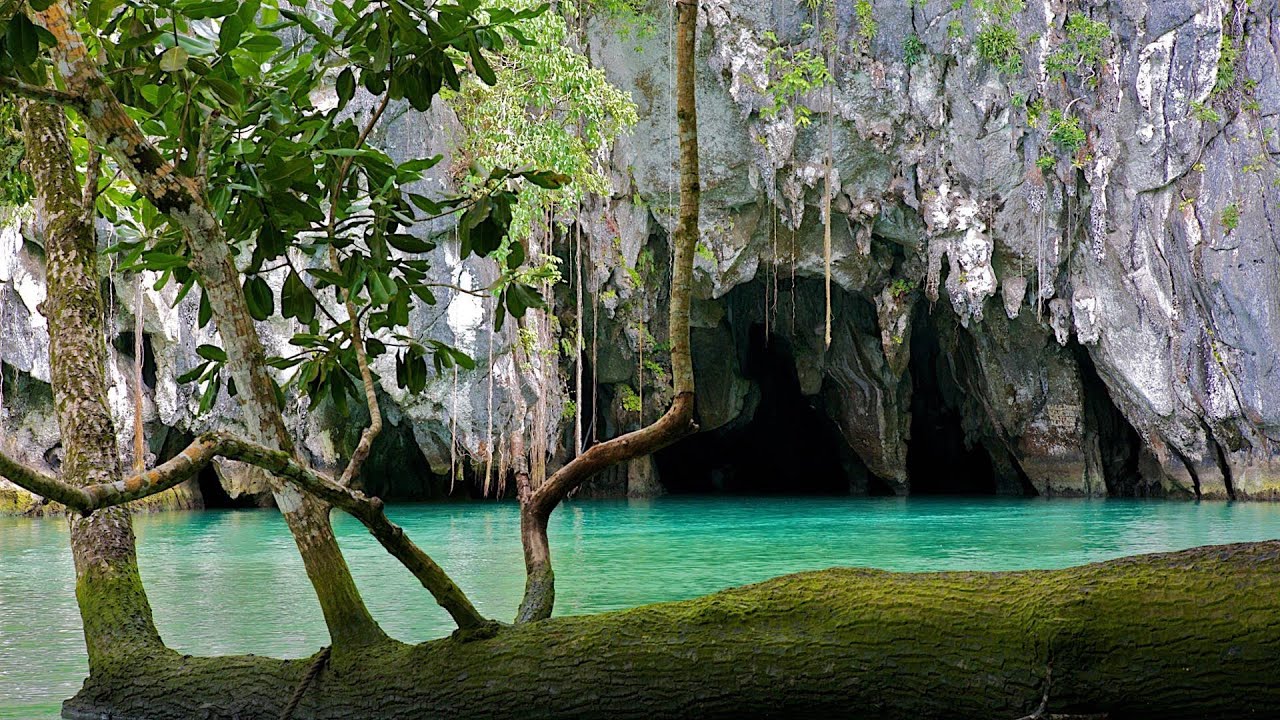
A calm expanse of water where the river widens, offering clear views of the illuminated limestone walls and water reflections.
Look down into the water to see the limestone clarity.
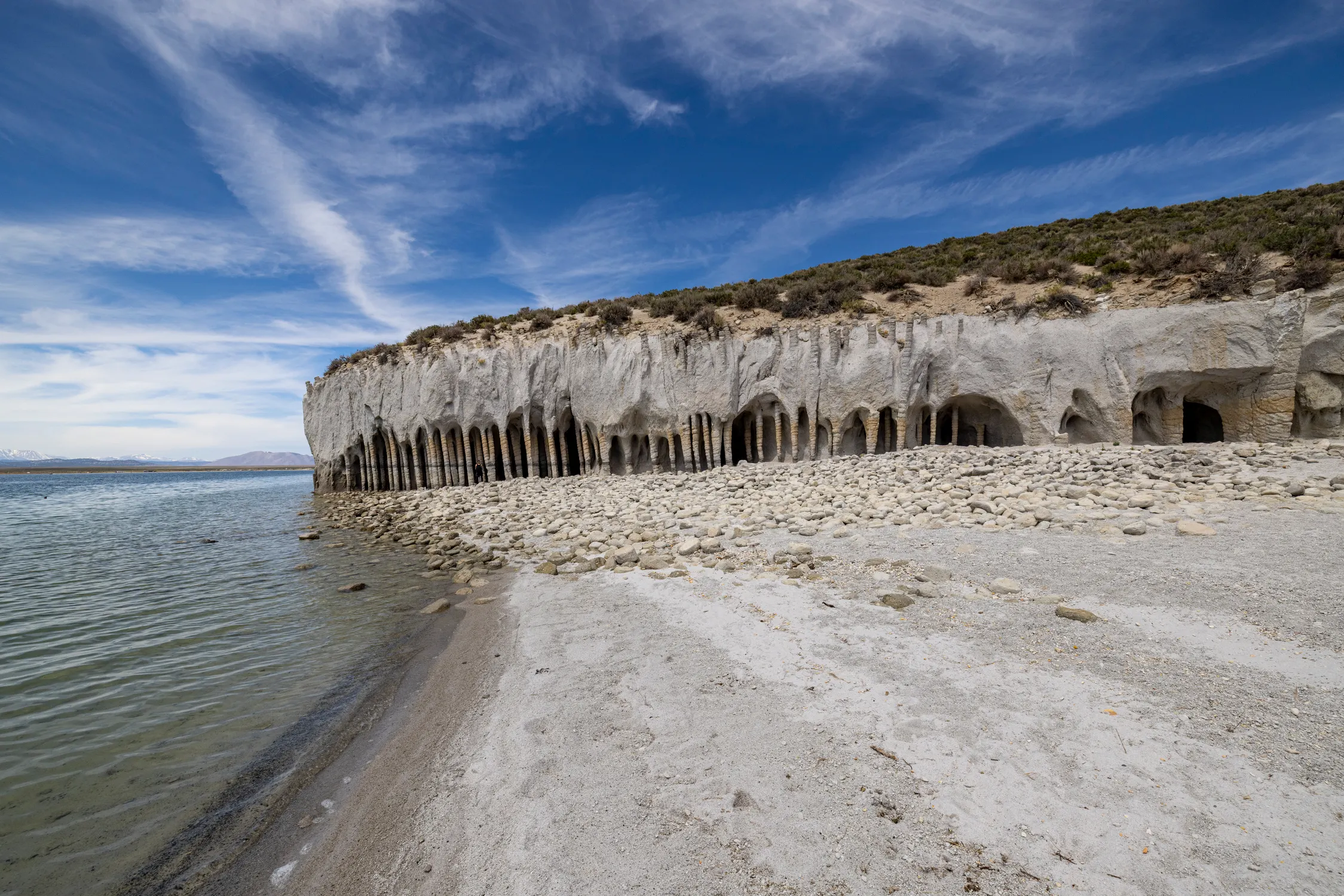
This area showcases intricate stalactite and stalagmite formations created by centuries of water infiltration through the rock.
Use a slow shutter speed to capture the mineral details.
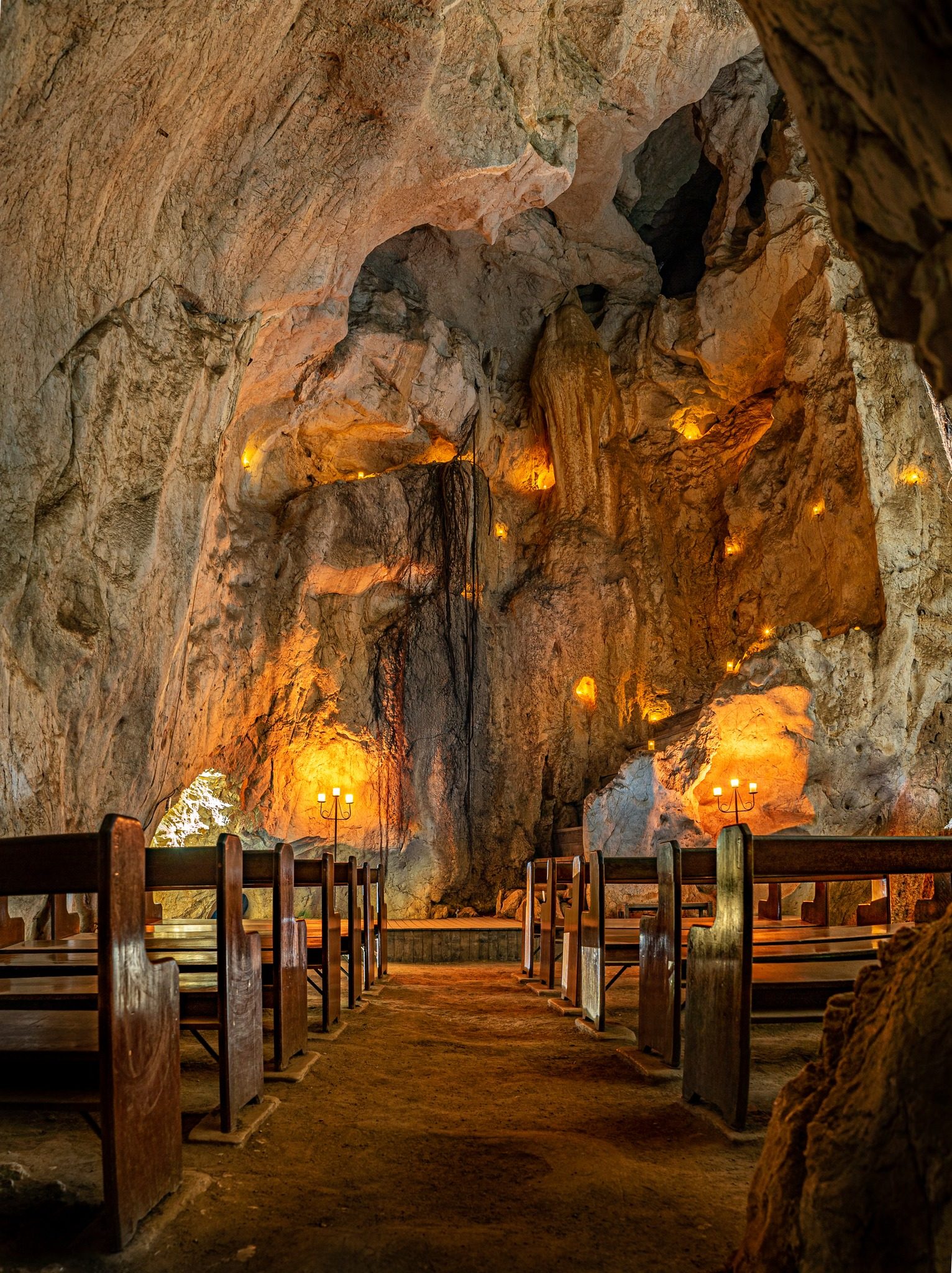
Characterized by its high ceilings, this section earns its name from the acoustic properties and expansive vertical space.
Listen closely to hear how sound travels across the water.
The caves of san jose valencia spain were formed over millions of years through the erosive action of an underground river carving through Jurassic limestone deposits in the Serra d'Espadà range. The subterranean waterway created Europe's longest navigable underground river, extending at least 2,750 meters into the mountain, though only a portion remains accessible to visitors today. Archaeological excavations conducted in the mid-20th century uncovered Paleolithic remains near the cave entrance, confirming human presence dating back approximately 17,000 years. Stone tools and bone fragments suggest the outer chambers served as temporary shelter for hunter-gatherer communities during the Upper Paleolithic period. Later occupants included Neolithic farmers and Bronze Age populations, whose ceramic shards and metal implements were documented in stratigraphic layers near the dry gallery. The site remained known to local inhabitants throughout the medieval period, though systematic exploration began only in 1902 when speleologist José Ribelles mapped the initial accessible sections. Commercial tourism commenced in 1952 after infrastructure installation allowed boat access along the subterranean river. Engineers constructed walkways and illumination systems while preserving the natural limestone formations that characterize the cave's interior chambers. Visitors today traverse the same geological corridor that sheltered ancient populations. The boat tour follows the underground river past stalactites, stalagmites, and rock formations shaped over millennia. The walking section near the entrance passes through chambers where Paleolithic artifacts were recovered, connecting modern guests to the site's deep archaeological timeline. The constant 20°C interior temperature replicates conditions experienced by the cave's earliest human occupants.
Paleolithic hunter-gatherers occupy outer cave chambers, leaving stone tools and bone fragments documented in 20th-century excavations.
Neolithic communities use the cave entrance zone, evidenced by ceramic remains found in stratigraphic layers.
Speleologist José Ribelles conducts the first systematic exploration and mapping of accessible cave sections.
The site opens to commercial tourism after installation of boat infrastructure and electric lighting along the underground river.
Archaeological excavations confirm continuous human occupation spanning from the Upper Paleolithic through the Bronze Age.
Conservation efforts establish visitor capacity limits to protect limestone formations and maintain stable interior conditions.
Everything you need to know about caves of san jose valencia spain
Travelers typically reach the site via private vehicle or excursion bus from the city, making the caves of san jose valencia spain a popular day trip. The journey takes you to the town of La Vall d'Uixó, where you can access the subterranean boat tour.
The standard adult ticket for the guided boat tour and walking section is 18 EUR. Please check the official site to verify pricing before planning your visit.
The site is open Monday through Sunday from 10:00–18:00. These hours apply consistently throughout the week.
Due to limited daily capacity, booking in advance is highly recommended to ensure entry. You can secure your spot through the official portal for the caves of san jose valencia spain.
To avoid mid-day heat and peak visitor crowds, the best arrival window is between 10:00–16:00. Arriving early helps ensure you secure a place before daily capacity is reached.
Yes, children are welcome on the boat tour, which features a navigable river within the cave system. It is a family-friendly excursion suitable for most ages.
The total experience, which includes a boat trip and a short walking section through the cavern, typically lasts about 45 to 50 minutes. This allows sufficient time to observe the rock formations and stalactites.
Yes, there is parking available near the entrance of the caves of san jose valencia spain at the Passeig de les Grutes, s/n. Visitors should follow local signage upon arrival in La Vall d'Uixó.